The Imagery of the Quran
I am sharing with you my Reflections from Ramadan 2025 when I completed a series of short videos, released daily on my YouTube channel. These blogs have been created from my video notes and I will be sharing a blog daily as we get ready for Ramadan 2026.
Assalamu alaykum,
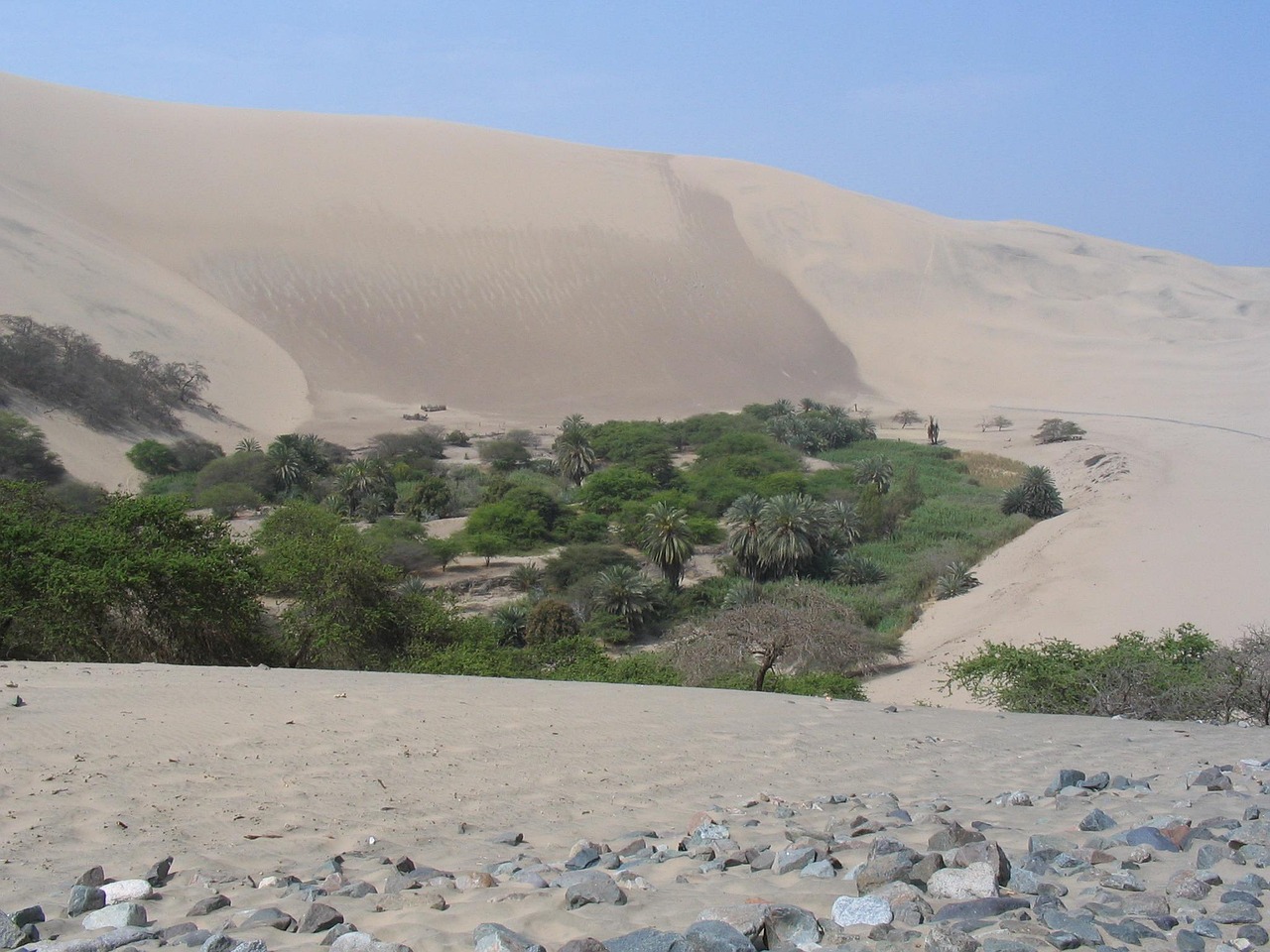
Today, as I sit in this glorious setting, I am going to read out to you an excerpt from Kenneth Cragg’s book, The Event of the Qur’an. Written in stunning prose, Cragg’s work brought to my attention some amazing features of the Qur’an. One of these features is its use of imagery.
I am now reading from Chapter 5 of the book titled 'The Landscape of the Hijaz' (excerpts from pages 86 to 89).
“‘Nay! I swear by this land, the land of your belonging, by father and fathered. Truly in trouble have We created man’ (Surah 90:1-3). The invocations of the early Qur’an return repeatedly to the immensities of nature and the mysteries of birth. Physical features both of land and people recur through its poetry. The dominating sense is of harshness in the landscape and harshness in the human lot, relieved by the gentler temper of the oases with their groves and gardens and by the brittle luxuries of city dwelling. The geography of the Qur’an embraces both the nomadic in the urban, the tribal spaces and the cultic metropolis, the precipitous escarpments of dry ravines or the wastes of shifting sand, and the precarious, caravan-borne merchandise of streets and fairs…
‘Who will give you to apprehend the steep ascent’, continues Surah 90, to know the ‘aqabah, the rocky defile that winds its toilsome way among boulders and across the rugged screes towards the summit. For this is how ‘the freeing of the slave and the feeding of the hungry’ tell against the grain of human indolence and self-regard. Moral man is nothing if not a mountaineer…
We find the landscape of the Hijaz, and the human meaning of its features., grim and grand, dominating the imagery and the homilies of the Scripture. The day of retribution will be like the shifting mountains of sand (73:14) – those wind-borne disruptions of the contours, or like the treacherous cliffs that detach themselves and pour into the valleys. The evil man is as one ‘who sits his house on the edge of a crumbling precipice that crashes down with him into the infernal fire’ (9:110) …
These images of parched and barren earth suggest the ‘careworn faces’ of eternity, with ‘only the cactus thorn’ for food (88: 3 and 6). The cruel scirocco, ‘withering wind’ (51:41), figures in the story of the tribe of ‘Ād, a strong and ancient people of the Quranic retrospect. In its path everything turns to ‘wan-ness’ (30:51) – plants and fruits and faces – until decaying vegetation lays a dark pall upon the wadi-valleys (87:5).
But the precarious tillage of the Hijaz springs also into sudden vigour by quickening rains…Repeatedly the Qur’an makes the reader visualise the glad, incredible wonder of renewing vegetation, not in the steady, predictable sequences of the temperate zones, but in the arbitrary, unheralded, emphatic interventions of tropical downpour, saturating the earth almost before the darkening clouds have roused it for the onslaught.”
We walk up a steep ascent as we do our tazkiya (Q87:14), the inner purification and cleansing required to turn ourselves into better people: connected to Allah, ethical, fair, grounded, compassionate, aspiring to excellence in all we do.
In the next blog, I am going to share with you some reflections on the Qur’anic metaphor of the path, which I often mention in my videos. Let me finish by repeating Cragg’s beautiful insight into how challenging the path is:
Moral man is nothing if not a mountaineer.
(Image: with thanks to pixabay.com)